
Key Takeaways
- Mild bleeding during brushing is usually an early warning sign of gingivitis, which is reversible with better care
- Brushing too hard or using a stiff-bristled brush damages delicate gum tissue and makes irritation worse
- Skipping flossing allows plaque and bacteria to build up along the gumline, inflaming soft tissue
- Smoking, poor nutrition, and certain medications can quietly contribute to gum sensitivity and inflammation
- Hormonal shifts during pregnancy, menstruation, or menopause can temporarily increase gum tenderness
- Persistent bleeding that lasts more than two weeks warrants a professional dental evaluation
- Small daily adjustments to technique, tools, and diet can stop bleeding within a matter of weeks
The Pink Sink Problem Nobody Talks About
You spit into the sink after brushing and notice it. That faint pink swirl. Maybe it has been happening for weeks, maybe just a few days, but either way it feels unsettling. Most people shrug it off, assume they brushed a little too enthusiastically, and move on with their morning.
That small moment is actually your mouth trying to tell you something. Bleeding is not a normal reaction to a routine activity like brushing. It is feedback, and when you learn how to read it, you can fix the underlying issue before it becomes something serious like receding gums, loose teeth, or chronic infection.
The good news is that the vast majority of bleeding cases trace back to a handful of fixable daily habits. Below, we will walk through the most common problems one by one and give you clear solutions you can start using tonight.
What Bleeding Gums Actually Mean
Bleeding tissue in the mouth is almost always a sign of inflammation. According to Colgate, the leading cause of blood appearing during brushing is gingivitis, the earliest and still-reversible stage of gum disease. Translation: your gums are inflamed because bacteria are sitting along the gumline longer than they should.
Gingivitis itself is not dangerous. What makes it concerning is what it becomes if ignored. Untreated inflammation can progress into periodontitis, where the supporting bone around teeth begins to break down. The CDC reports that roughly 4 in 10 American adults aged 30 and over had some level of periodontitis during the 2009 to 2014 study period. That is not a rare condition. It is widespread, and most people never realize it started with a pink sink.
How to tell inflammation apart from injury
If you bit into a tortilla chip and your gums bled, that is probably trauma. If bleeding happens every time you brush, in the same spots, that is inflammation. Trauma heals in a day or two. Inflammation keeps showing up until you remove its cause.
Why Do Gums Bleed When Brushing in the First Place

The short answer: plaque. Plaque is a sticky film of bacteria that forms on teeth constantly, and when it is not removed, it hardens into tartar and irritates the surrounding tissue. The body responds by sending more blood to the area, which is why inflamed gums swell, redden, and bleed easily.
So when you ask yourself why do gums bleed when brushing, the answer usually points back to how well plaque is being cleared each day. Research published through the National Center for Biotechnology Information found that about 4 percent of surveyed respondents always or often experienced bleeding while brushing, and another 20 percent noticed it sometimes. That means roughly a quarter of people deal with this issue regularly, often without ever bringing it up to a dentist.
A few other triggers can make the problem worse:
- Vitamin C or vitamin K deficiencies
- New or poorly fitting dental appliances
- Hormonal changes during pregnancy or menopause
- Blood-thinning medications
- Chronic stress that weakens immune response
Brushing Habits That Backfire
Many people assume that brushing harder equals brushing better. The opposite is true. Aggressive scrubbing with a stiff-bristled brush can wear down enamel, push gums away from teeth, and create microscopic tears in soft tissue that bleed easily.
Switching to a soft-bristled brush and using light, circular motions solves this faster than almost any other change. If you cannot feel the bristles bending slightly, you are pressing too hard. Electric brushes with pressure sensors are helpful for people who grip the brush like it owes them money.
The two-minute rule and why it matters
Short, forceful brushing is less effective than slow, gentle brushing over two full minutes. Spend thirty seconds on each quadrant of the mouth and let the bristles do the work. Pair that with maintaining healthy teeth through consistent routines and you remove plaque without punishing the tissue around it.
The Flossing Gap Most People Live With
Flossing is where most oral care routines fall apart. People either skip it entirely or do it so sporadically that when they finally pick up floss, their gums bleed. That bleeding then convinces them flossing is harmful, so they stop again. It is a vicious loop.
Here is the truth: gums that bleed from flossing are gums that need flossing. The bleeding stops within a week or two of consistent daily use because the bacteria causing inflammation finally get removed. If flossing feels awkward, there are easier alternatives:
- Water flossers for people with braces or bridges
- Pre-threaded floss picks for quick nightly use
- Interdental brushes for larger gaps
- Soft rubber-tipped stimulators for sensitive areas
Pick whichever tool you will actually use. The best option is the one that happens every night, not the one dentists technically prefer.
Lifestyle Factors That Quietly Make It Worse
Your mouth does not exist in isolation from the rest of your body. Smoking is one of the single biggest contributors to gum disease because it reduces blood flow to the gums, which masks early symptoms and slows healing. Many smokers do not notice bleeding until significant damage is already done.
Diet plays a quieter but equally important role in oral health. Diets high in sugar and refined carbohydrates feed the bacteria that cause plaque, while diets low in vitamin C can leave gum tissue fragile and prone to bleeding. Alcohol dries out the mouth, which reduces saliva, which reduces one of your body’s natural defenses against bacterial buildup.
Common culprits worth auditing in your own routine:
- Daily sugary drinks, including flavored coffee
- Frequent snacking without rinsing afterward
- Mouth breathing at night, which dries tissue
- Chronic dehydration during the workday
- Stress-related teeth grinding
Each of these is small on its own. Stack three or four together and you have created the perfect environment for inflammation to settle in.
When Daily Fixes Are Not Enough
Sometimes the problem is beyond what better brushing can solve. Tartar, once it hardens, cannot be removed by any home tool. It has to be scraped off professionally. If your gums have been bleeding for more than two weeks despite improved habits, it is time for a cleaning and evaluation.
The role of dentists goes beyond cleanings. They can measure the pockets between teeth and gums, catch early bone loss on X-rays, and spot patterns you cannot see yourself. People who go twice a year rarely develop advanced gum disease, while people who avoid the chair for years often arrive with problems that could have been reversed easily if caught sooner.
Signs you should book an appointment this week
- Bleeding that happens even without brushing
- Persistent bad breath that mouthwash does not fix
- Gums that look darker red or purple than usual
- Teeth that feel loose or have shifted position
- Pain while chewing on one specific side
None of these are emergencies on their own, but together they signal that at-home care has reached its limit.
Building a Routine That Actually Works
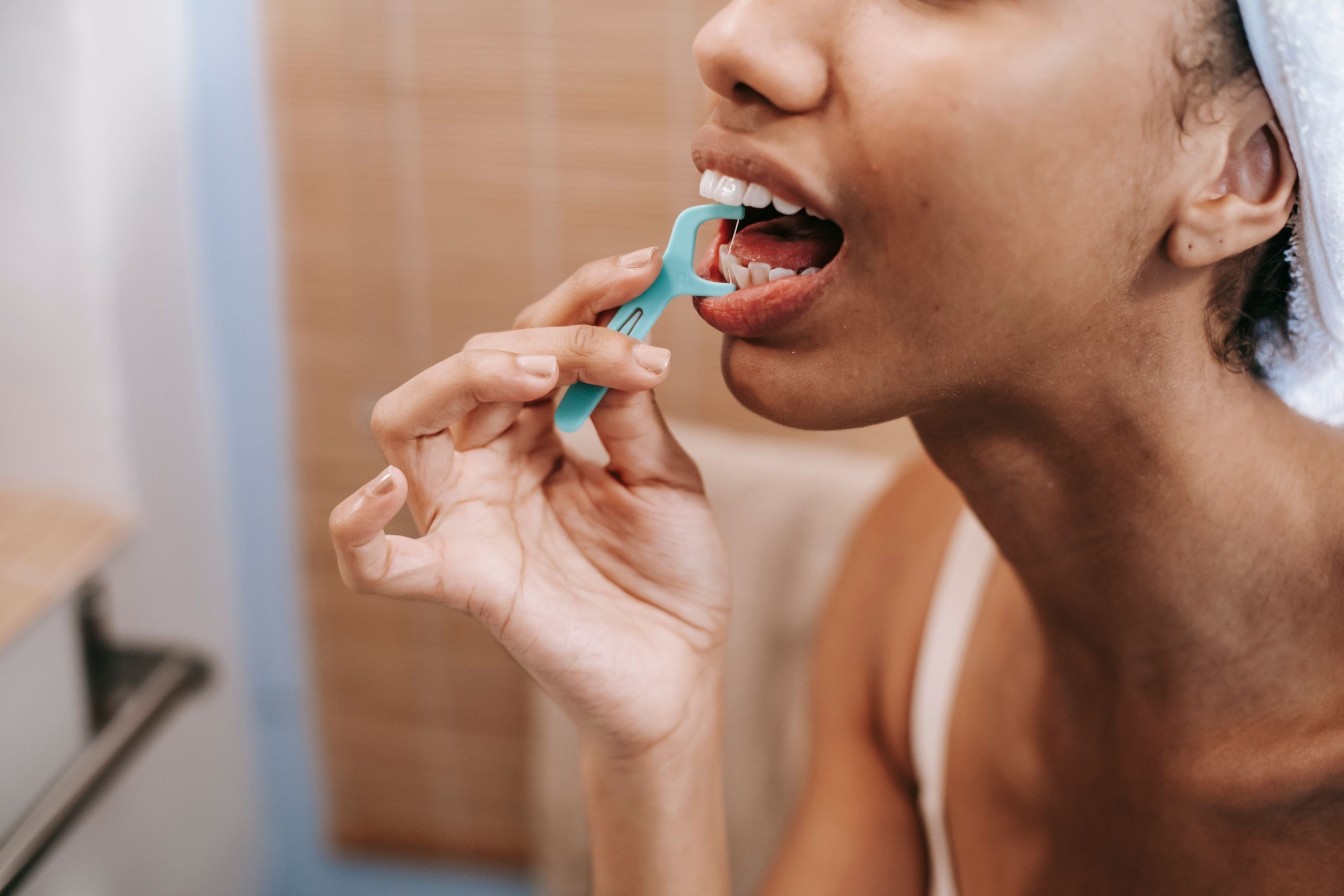
The fix for bleeding gums is not glamorous. It is boring, repeatable, and takes about four minutes a day. Brush gently for two minutes twice daily with a soft-bristled brush, holding it at a forty-five degree angle to the gumline and using small, circular motions rather than aggressive back-and-forth scrubbing. Pressure is the enemy here. If the bristles are splayed outward after a few weeks, you are pressing far too hard, and an electric toothbrush with a pressure sensor can be a worthwhile investment for anyone who struggles to lighten their grip. Floss once a day, every day, ideally before bed when food particles have had the longest chance to settle. Curve the floss around each tooth in a C-shape and glide it just below the gumline rather than snapping it straight down, which can slice sensitive tissue and make bleeding worse. Rinse with an alcohol-free mouthwash if you want extra protection, though it is not a substitute for mechanical cleaning. Alcohol-based rinses can dry out the mouth and irritate already inflamed tissue, so look for formulas with cetylpyridinium chloride or essential oils instead.
Hydration matters more than most people realize. Sipping water throughout the day keeps saliva flowing, which naturally rinses away food debris and neutralizes acids produced by plaque bacteria. Coffee, alcohol, and many medications reduce saliva output, so if any of those are part of your daily life, you need to compensate with extra water. Eating crunchy vegetables like carrots, celery, or raw bell peppers adds a small mechanical cleaning effect between brushings, and foods rich in vitamin C such as citrus, strawberries, and leafy greens help the tissue itself stay resilient. Vitamin C deficiency is one of the oldest known causes of bleeding gums, and while full-blown scurvy is rare today, borderline low intake is surprisingly common in people who eat mostly processed foods. Adequate protein, zinc, and vitamin K also support the healing process that your gums rely on every single day.
A simple weekly check-in
Once a week, take thirty seconds in good lighting to look at your gums in the mirror. Healthy tissue is firm, pale pink, and sits snugly against each tooth, with pointed little triangles of gum filling the spaces between them. If you notice puffiness, color changes drifting toward red or purple, receding edges, or spots that bleed when gently pressed with a clean fingertip, something in your routine needs adjusting. Pay particular attention to the back molars and the lower front teeth on the tongue side, since these areas are the most commonly missed during brushing and the first to show signs of trouble. Catching these shifts early is far easier than reversing months of neglect, and a consistent weekly glance is one of the simplest oral health habits you can build. If you are still asking yourself why do gums bleed when brushing after two or three weeks of a careful routine, that is your signal to book a professional cleaning rather than wait it out.
Small Changes Compound Fast
What makes gum health so forgiving is how quickly it responds to effort. Unlike bone loss or cavities, which represent permanent structural damage, early inflammation can disappear in a matter of days once the irritants are removed. The gum tissue is highly vascular and regenerates faster than almost any other soft tissue in the body, which is why people who commit to two weeks of gentle brushing, daily flossing, and better hydration usually see their sinks run clear again without any medical intervention. Many notice a difference within the first three to five days, with gums shifting from puffy and purplish-red back to a firmer, coral-pink tone. By the end of the second week, the morning taste in the mouth often improves, breath feels fresher, and the sensitivity that made brushing feel like a chore starts to fade.
The habits that cause bleeding are the same habits that quietly cause bigger issues later. Skipping floss, scrubbing too hard, rushing through a thirty-second brush, or ignoring the back molars might feel harmless in isolation, but repeated thousands of times over the years, they shape the trajectory of your oral health. Fixing them now protects more than just your gums. It protects the teeth they hold in place, the bone underneath that anchors every root, and the systemic health connections researchers continue to uncover between mouth bacteria and conditions like heart disease, diabetes, rheumatoid arthritis, and even certain pregnancy complications. The mouth is not a sealed compartment — the same bloodstream that carries nutrients to your gums carries inflammatory byproducts away from them, which is why answering the question of why do gums bleed when brushing matters far beyond the bathroom sink. Small, consistent adjustments made this month can spare you from root planing appointments, gum grafts, and implant consultations a decade from now, and that kind of long-term payoff is rare from habits that take less than ten minutes a day.
Conclusion
Bleeding gums are not a mystery and they are not something to accept as normal. They are a specific, readable signal that something in your daily routine is allowing bacteria to linger where they should not. Whether the fix is a softer brush, a nightly flossing habit, cutting back on sugary drinks, or finally scheduling that overdue cleaning, the path forward is usually simpler than people expect.
Start with one change this week, not five. Swap your toothbrush for a soft-bristled version, or commit to flossing every night before bed. Give it fourteen days and watch what happens. Most people are genuinely surprised at how quickly the pink in the sink disappears once the underlying irritation is addressed.
And if the bleeding persists despite your best effort, treat that as useful information rather than failure. It means something deeper is going on, and a dental professional can help you find it before it becomes something harder to reverse. Your mouth has been trying to tell you something. Now you know how to listen.