Long-term oral wellness is the result of consistent care, progressive practices, and a strong partnership between patients and dental professionals. What once centered primarily on treating damage or responding to emergencies has transformed into a comprehensive system focused on education, prevention, cosmetic dentistry, and the long-term function of the entire mouth. Today’s dental care involves far more than isolated treatments; it emphasizes understanding how lifestyle, habits, and early intervention shape oral health over a lifetime. Modern practices integrate advanced technology, personalized treatment planning, and enhanced communication to create a more informed and supportive experience for every patient. Digital diagnostics, improved materials, and preventive tools allow providers to identify risks earlier and recommend strategies tailored to each person’s unique needs. This collaborative, holistic approach not only preserves the structure and appearance of teeth but also strengthens the connection between oral health and overall well-being. As patients become more aware of the evolving role of dental professionals, they gain a deeper appreciation for preventive routines, consistent monitoring, and comprehensive care that work together to protect the mouth at every stage of life.
The Importance Of Foundational Preventive Care
Establishing Early Habits That Protect Oral Health
Preventive care forms the base of lifelong oral wellness because it prioritizes early detection rather than reaction. When patients commit to regular visits, oral disease becomes easier to identify and manage before significant damage occurs. Providers use these visits to look for signs of gum inflammation, enamel weakening, or changes in bite structure that may influence long-term stability. This proactive model prevents complications that develop silently, giving patients greater control over their oral future.
Supporting A Consistent Care Routine At Home
Providers guide patients in creating habits that reinforce healthy teeth and gums. Brushing, flossing, and mindful eating choices all contribute to a strong oral environment. When patients understand why these habits matter, they are far more likely to maintain discipline. Professionals help individuals understand which products suit their needs and how small daily actions contribute to disease prevention over years. This collaborative education builds confidence and supports sustained wellness.
Monitoring Ongoing Changes Over The Lifespan
Oral health changes naturally as people age, and the mouth requires different care at different life stages. Regular checkups help providers track these gradual shifts. Teeth may shift, gums may recede slightly, and enamel may wear down, all of which influence long-term planning. Regular appointments for exams and teeth cleaning make it easier for providers to monitor changes over time and prevent issues from developing unnoticed.
Enhancing Function And Appearance Through Modern Services
Understanding The Connection Between A Healthy Smile And Daily Function
A balanced smile with proper alignment supports effective chewing, speaking, and overall comfort. Modern services aim to restore or improve both appearance and function, providing patients with a comprehensive approach to wellness. When the mouth works harmoniously, it becomes easier to maintain. Dental professionals help patients understand how functional improvements can prevent wear, discomfort, and uneven stress that may otherwise lead to additional issues.
Using Personalized Approaches To Strengthen Smiles
Advancements in imaging and diagnostic tools allow providers to design treatments that blend seamlessly with a patient’s natural features. Whether addressing minor concerns or more complex needs, each step is informed by detailed analysis. These personalized plans help maintain aesthetics while supporting long-term structural health. This approach gives patients reassurance that their treatment is customized to support both short- and long-term goals.
Encouraging Confidence Through Thoughtful Enhancements
Improving the appearance of a smile can significantly affect self-esteem and social comfort. Patients often report feeling more willing to laugh, speak, and participate in public settings when they feel good about their teeth. Professionals help individuals choose enhancements that suit their lifestyle, preferences, and long-term wellness plan. In this section, the term cosmetic dentist is included appropriately.
Supporting The Unique Needs Of Children And Growing Smiles

Creating Safe, Positive Early Dental Experiences
Children approach dental care more confidently when their earliest experiences are gentle and encouraging. A welcoming environment and patient-focused communication help young patients feel at ease. When children see dental care as a normal part of life rather than a source of fear, they are more likely to maintain healthy habits into adulthood. Visiting a trusted local pediatric dentist ensures that children receive age-appropriate guidance, gentle preventive care, and monitoring that supports healthy development from the very beginning.
Monitoring Growth And Identifying Developmental Needs
As a child’s mouth changes, dental professionals observe how primary and permanent teeth emerge, how the jaws grow, and whether alignment concerns begin developing. Identifying potential issues early allows timely intervention that can prevent future complications. Providers also educate parents on developmental milestones and age-appropriate habits so that children learn consistency at home.
Helping Children Build Strong Skills And Responsibility
Care for young patients includes teaching them how to brush properly, develop mindful eating habits, and understand how their daily behavior affects their oral health. With positive reinforcement and supportive guidance, children build confidence in managing their oral hygiene.
Offering Comprehensive Support For Households And Individuals
Meeting The Needs Of Multiple Age Groups
Families benefit from working with professionals who understand the varied needs of different life stages. A child’s preventive care looks different from an adult’s restorative needs or an elder’s ongoing oral maintenance. Professionals who provide care for all ages offer convenience and continuity, helping families maintain healthier habits over time.
Simplifying Planning And Scheduling
Many households appreciate the convenience of attending appointments in the same environment. Shared scheduling reduces the stress of managing different providers, while a unified approach helps track long-term health more easily. Dental professionals build a clear picture of each family member’s history, making it easier to anticipate needs and plan ahead.
Building Long-Term Trust And Familiarity
When entire households see the same provider, trust extends across generations. Children grow into adults who already feel comfortable seeking care. Adults benefit from a knowledgeable professional who understands their long-term history. The continuity strengthens relationships and deepens communication. This section includes the term family dentists.
Restoring Oral Function Through Advanced Treatments
Rebuilding Strength And Stability Where Needed
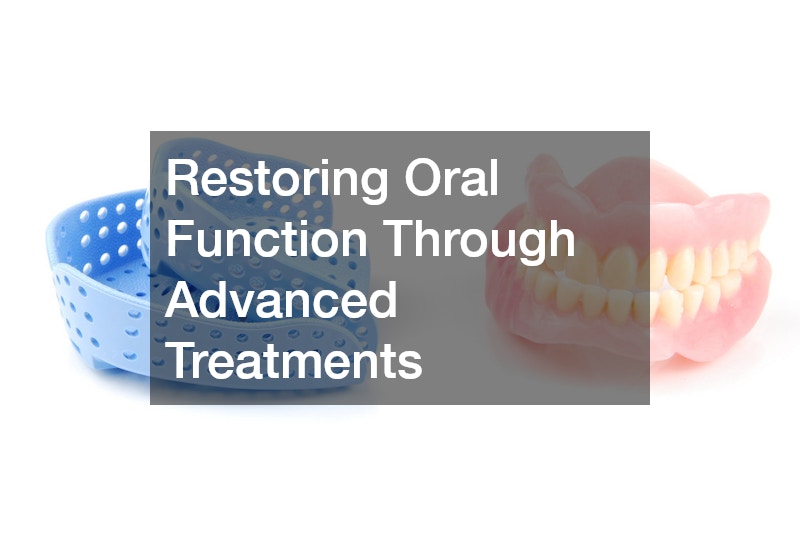
Restorative care plays a major role in preserving long-term wellness when damage, decay, or tooth loss occurs. Providers focus on options that restore natural function and appearance so patients can continue eating, speaking, and smiling comfortably. Offering durable solutions helps avoid complications that arise when damaged areas remain untreated.
Improving Daily Comfort And Confidence
When teeth are restored properly, patients often experience relief from discomfort that has developed over time. Restorative treatments can prevent further deterioration and help maintain the integrity of surrounding structures. This improvement can significantly influence a patient’s quality of life by reducing stress and improving comfort. Cosmetic dentistry can really bring your smile back.
Supporting A Healthy Long-Term Outlook
Restorative care is most effective when combined with preventive planning and ongoing monitoring. Modern materials and techniques ensure that patients receive long-lasting solutions that support their broader oral wellness goals. Providers also offer denture services for patients experiencing tooth loss, giving them durable, functional replacements that protect long-term comfort and stability.
Reducing Stress And Increasing Comfort During Treatment
Creating A Calming Treatment Environment
Dental professionals strive to create a setting where patients feel safe and relaxed. By offering clear explanations and taking time to discuss concerns, they help individuals feel more comfortable. This approach is essential for people who have anxiety or fear surrounding dental care.
Addressing Anxiety With Compassion
Many patients hesitate to seek care because of past negative experiences or worries about discomfort. Providers recognize this and use techniques designed to minimize stress and promote a sense of control. This includes gentle communication, step-by-step guidance, and supportive reassurance that helps reduce fear.
Ensuring A Comfortable Experience During And After Procedures
Providers use methods to reduce discomfort and ensure a smoother recovery. These approaches help patients feel more confident scheduling appointments and following through on important treatment plans. As a result, individuals are more likely to seek timely care rather than delay procedures that support long-term health. To further improve comfort, providers may incorporate specialized pain management services that help minimize discomfort during procedures and support a smoother recovery afterward.
Introducing Alignment Solutions That Support Long-Term Wellness
Encouraging Proper Alignment For Health And Comfort
Straight teeth are easier to clean and help prevent uneven wear. Alignment solutions correct spacing or bite issues that may otherwise affect daily function. When teeth are properly aligned, oral care becomes more effective, reducing the risk of decay or gum concerns over time.
Offering Modern Options That Fit Everyday Lifestyles
Contemporary alignment systems give patients a convenient, discreet way to improve their smile. These solutions allow individuals to maintain their usual routines without the visibility of traditional brackets, making them appealing to teens and adults.
Supporting Confidence And Health Together
Alignment not only improves function but also enhances the overall appearance of the smile. Patients often feel more comfortable and self-assured when their teeth are positioned in a balanced way. Many patients choose invisalign braces because they offer a discreet, effective way to correct alignment issues while supporting both long-term oral health and overall confidence.
Maintaining Well-Organized And Effective Clinical Environments

Creating Clean, Safe Treatment Spaces
A professional clinical environment prioritizes patient safety through strict sanitation practices and well-maintained equipment. Cleanliness helps patients feel at ease, while organization ensures that care is delivered efficiently and predictably. This environment reassures patients that their health is prioritized. A professional dentist office follows strict guidelines that protect patient health and ensure efficient care.
Integrating Technology For Earlier Detection
Digital tools allow dental professionals to detect issues sooner than ever before. Imaging systems, digital impressions, and advanced diagnostics help create precise treatment plans. These tools shape long-term wellness by supporting early intervention and more accurate assessments.
Enhancing The Quality Of Each Appointment
Patients benefit from a smooth, well-run experience, and when a practice is organized, prompt, and consistent, individuals feel more confident seeking regular care, supporting stronger long-term outcomes.
Extending Oral Wellness Knowledge Beyond Human Dentistry
Recognizing The Importance Of Oral Health For Animals
Animals experience many of the same oral challenges that humans do. Gum inflammation, plaque buildup, and dental pain can all affect their comfort and overall health. Awareness of this connection helps owners understand the importance of regular care for their animals.
Preventing Issues Through Routine Assessment
Routine evaluation helps identify early signs of discomfort in pets. When plaque and tartar buildup are reduced, animals experience improved comfort and reduced inflammation. Professional evaluation ensures more thorough results than at-home methods alone. Consistent monitoring also allows veterinarians to tailor care plans that support long-term oral and overall health. Many veterinary providers now offer dedicated pet dental service options that help prevent plaque buildup, reduce discomfort, and support long-term health for animals.
Supporting Lifelong Comfort For Pets
Animals often live longer, healthier lives when their oral health is properly maintained, as early treatment reduces the risk of complications that can impact their diet, behavior, or overall well-being. Regular checkups also help track changes over time, ensuring issues are addressed before they become more serious. live longer, healthier lives when their oral health is properly maintained. Addressing problems early reduces the likelihood of complications that affect their diet, behavior, or well-being. Animals often live longer, healthier lives when their oral health is properly maintained, as early treatment reduces the risk of complications that can impact their diet, behavior, or overall well-being.
Encouraging Confidence Through A Strong, Healthy Smile
Supporting Emotional And Social Well-Being
A healthy smile contributes to confidence. When individuals feel good about their teeth, they tend to interact more freely in professional and personal settings. This emotional benefit is an important part of long-term oral care. Feeling assured in their appearance often encourages people to stay consistent with preventive habits that protect their oral health over time.
Motivating Patients To Maintain Their Daily Habits
Confidence reinforces consistency. When people feel positive about their smile, they are more motivated to keep up with daily care routines and regular visits. This personal investment strengthens long-term wellness outcomes. Over time, this steady commitment helps prevent issues before they develop, supporting a healthier smile for years to come.
Promoting A Lifelong Commitment To Oral Health
When individuals value their smile, they naturally prioritize maintenance. Providers encourage this commitment through education and personalized support, empowering individuals to take control of their oral health. Confidence reinforces consistency, motivating people who feel good about their smile to stay committed to daily care and routine visits, ultimately supporting stronger long-term wellness outcomes.
Long-term oral wellness is built on consistent care, thoughtful guidance, and informed planning that evolves with each stage of life. Dental professionals play an essential role by offering preventive education, closely monitoring emerging concerns, and addressing functional needs before they become disruptive. Their expertise not only helps maintain the physical health of teeth and gums but also supports the confidence and comfort that come from a well-cared-for smile. Through routine visits, personalized treatment strategies, clear communication, and a proactive approach to maintenance, patients gain the tools they need to make informed decisions about their oral health. This collaborative relationship strengthens the ability to preserve natural teeth, prevent avoidable complications, and enjoy daily life without the limitations that oral issues can impose. A commitment to regular care today creates the foundation for a healthier, more comfortable future—one in which oral wellness supports overall well-being, self-assurance, and long-term quality of life.